
Contents
Preventive care
Bruxism (Teeth Grinding)
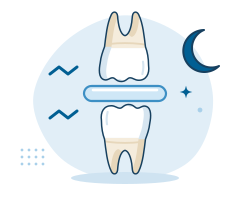
Bruxism is excessive grinding of the teeth and/or clenching of the jaw. It is not related to normal functions such as eating or talking.

What is bruxism?
Bruxism is a common problem. It may cause only mild symptoms, so people may not be aware of it. There are two main types: bruxism during sleep and bruxism while awake; dental damage may be similar in both.
Who is it for?
People who notice symptoms commonly associated with bruxism: sensitive teeth, aching jaw muscles and headaches. Bruxism may cause tooth wear and even damage or breakage of teeth and restorations such as crowns and fillings.
How does the process work?
Occlusal splints (dental guards) are commonly used. They may help reduce the tooth wear that can come with bruxism, and they reduce the load on the jaw joints. Splints are typically made of plastic and can be hard or soft.
How many sessions?
The splint is made after an examination and impressions; the number of visits is planned at the examination.
Last updated: Editor: Dent4 Levent Ağız ve Diş Sağlığı, dent4levent@gmail.com